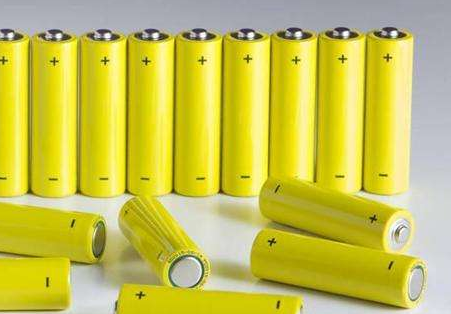
In life, batteries have become an indispensable energy source for us, widely used in mobile phones, laptops, digital cameras, charging banks and other electronic products. There are many specific types of batteries, including lead-acid batteries, power secondary batteries, mobile phone batteries and various small secondary batteries. However, with the advancement of battery technology and the popularity of applications, how to ensure the safety of products with batteries in transportation has become an important issue.
UN38.3 Test report
In order to ensure the safety of air transport, the International Air Transport Association (IATA) has developed the Dangerous Goods Code, which requires all rechargeable lithium batteries to pass the UN38.3 test report before transport. This test covers a variety of safety tests, including altitude simulation, high and low temperature cycle, shock test, overcharge test and forced discharge test. These tests ensure the safety of lithium batteries during transportation and are also a prerequisite for airlines to receive and ship lithium batteries.
Air/maritime identification
The Civil Aviation Administration of China has issued the "Lithium Battery Air Transport Specification", which clearly requires that all lithium batteries must pass the UN38.3 test and provide a test report issued by a laboratory recognized by CNAS. Airlines and freight forwarders must receive the UN38.3 conformity report and transport certificate before accepting the shipment of lithium batteries. This regulation ensures the safe transportation of lithium batteries on aircraft and ships, preventing fire or explosion accidents caused by battery failure.
MSDS Manual
MSDS (Chemical Safety Technical Specification) is a chemical production, trade and sales enterprises must provide legal documents, detailed description of chemical physical and chemical parameters, explosion performance, hazards to human health, safe use and storage specifications, leakage disposal methods, emergency treatment measures and relevant laws and regulations and other information. MSDS is not only a comprehensive report of chemical hazard information, but also an important tool to ensure user safety.
The necessary connection of three kinds of certificates
1. Dangerous goods attributes: All batteries and products with batteries are considered dangerous goods, so strict safety standards are required during transportation.
2, testing and identification: only products that pass the UN38.3 test can apply for air/sea certification to ensure that transportation meets international safety standards.
3, safety information transmission: the MSDS report records the chemical composition of the battery and emergency treatment measures in detail, providing the necessary safety information for users and carriers.
If you have certification needs, please feel free to contact us, we will provide you with professional services to ensure that your battery products safely and smoothly through the customs clearance process. I hope this article will help you better understand the necessary certification and safety requirements for lithium batteries and products with batteries in the customs clearance process. For further inquiries or services, please contact ZRLK!